Coordinated Reconstructive Care · Istanbul

Breast
Reconstruction

with a specialist surgical team

Istanbul Breast Reconstruction Group provides information and coordinated international patient pathways for breast reconstruction in Turkey, including DIEP Flap and Latissimus Dorsi reconstruction. You do not need to choose a reconstruction method before contacting the team — the appropriate surgical pathway can only be discussed after individual medical assessment.

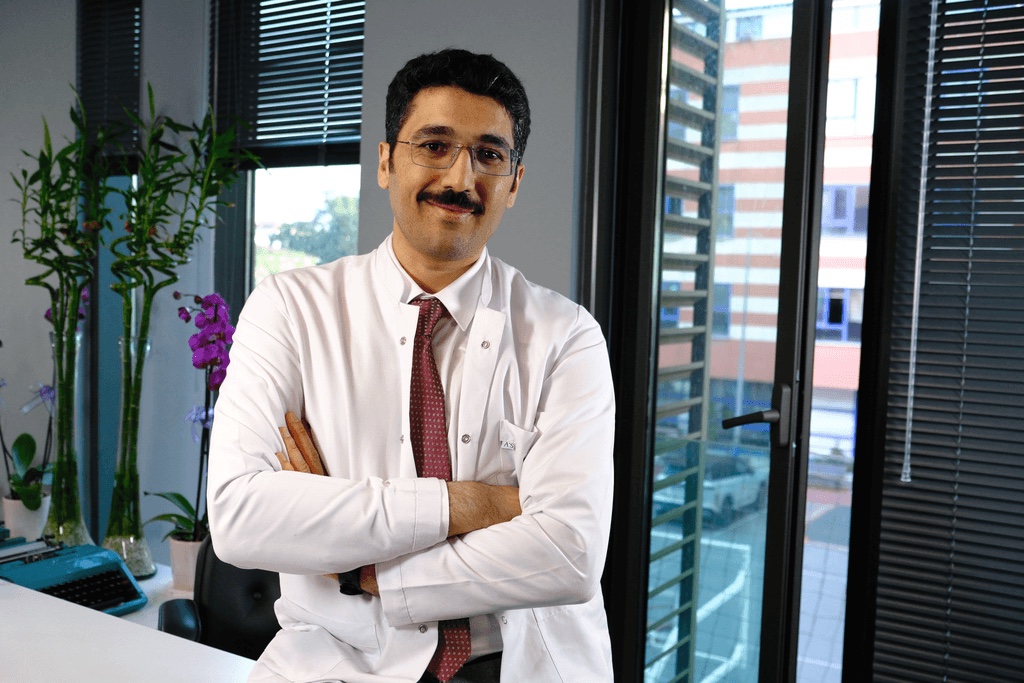
Dr. Cemil Işık, board-certified breast reconstruction surgeon in Istanbul, Turkey

Dr. Cemil Işık

Plastic, Reconstructive & Aesthetic Surgeon

Your Surgical Team

Care led by a named, board-certified surgeon

Reconstruction should never be led by an anonymous institution. Your case is reviewed and planned by a named, verifiable surgeon.

Dr. Cemil Işık, board-certified breast reconstruction surgeon in Istanbul (Turkish Board, EBOPRAS)

Dr. Cemil Işık

Plastic, Reconstructive & Aesthetic Surgeon

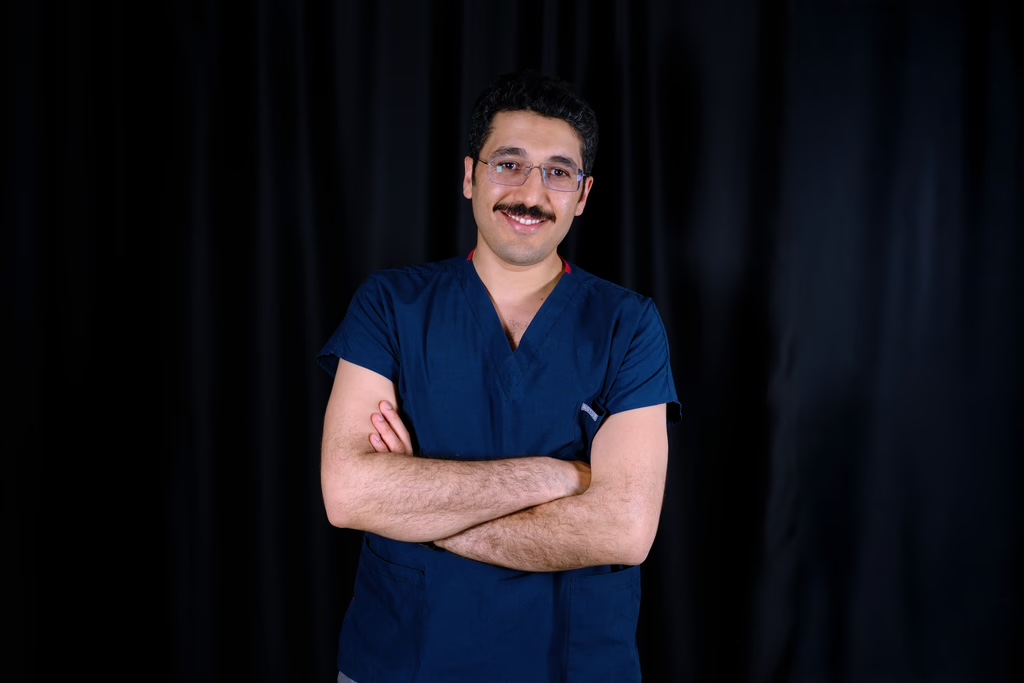
Dr. Işık is a board-certified plastic, reconstructive and aesthetic surgeon whose training included focused work in microsurgery. Breast reconstruction after breast cancer is among the procedures he offers, always following individual medical assessment.

Dr. Cemil Işık's signature
  • Double board-certified — Turkish Board of Plastic Surgery and the European Board of Plastic, Reconstructive and Aesthetic Surgery (EBOPRAS)
  • Assistant Professor, Nişantaşı University Faculty of Medicine
  • Medical degree — Atatürk University Faculty of Medicine
  • Specialized training in maxillofacial surgery and microsurgery — Selçuk University
  • Active member, Turkish Society of Plastic, Reconstructive and Aesthetic Surgeons
HealthTürkiye verifiedTurkish Board of Plastic Surgery verifiedEuropean Board of Plastic, Reconstructive and Aesthetic Surgery verified
Academic background & certifications

Reconstruction Options

Two considered pathways

Each case is reviewed individually. The right pathway depends on medical history, previous treatment, anatomy, and surgeon assessment.

01

DIEP Flap

A microsurgical reconstruction option using lower abdominal tissue. Suitability depends on medical history, anatomy, previous treatment, and surgeon assessment.

  • Individual suitability review
  • Microsurgical planning
  • Recovery pathway discussion
Learn about DIEP Flap

02

Latissimus Dorsi

A reconstruction option using tissue from the upper back, sometimes combined with an implant depending on the case. Suitability should be reviewed by a surgeon.

  • Case-by-case assessment
  • Back tissue reconstruction option
  • Surgeon-led planning discussion
Learn about Latissimus Dorsi

Reconstruction options

The techniques that exist, and what decides between them

Breast reconstruction is not a single operation. Techniques differ in where tissue comes from, how many operations are involved, and what recovery looks like. This section explains the options in general terms so that the questions you bring to an assessment are the right ones.

This is general information about breast reconstruction, not medical advice, and not a plan for your case. Techniques marked Planned here are ones this surgical team plans; the rest are explained so your research is accurate. Which technique is appropriate for you can only be established through individual medical assessment. This site documents the DIEP Flap and Latissimus Dorsi pathways in detail.

Reconstruction using your own tissue

Also called autologous or flap reconstruction. Tissue is moved from another part of the body to rebuild the breast. Which donor site can be considered depends on your anatomy and on any previous surgery.

DIEP flap

Planned here

Also called: Deep inferior epigastric perforator flap

Uses skin and fat from the lower abdomen to rebuild the breast, in an approach designed to preserve the abdominal muscles.

What it depends on: Depends on available lower-abdominal tissue, previous abdominal surgery, vessel anatomy, general health, and surgeon assessment.

Read the full pathway

Latissimus dorsi flap

Planned here

Also called: LD flap, back flap

Uses muscle, and usually skin, from the upper back, and is sometimes combined with an implant depending on the volume needed.

What it depends on: Depends on back tissue, the volume required, previous treatment, shoulder function expectations, and surgeon assessment.

Read the full pathway

SIEA flap

Planned here

Also called: Superficial inferior epigastric artery flap

Uses the same lower-abdominal tissue as a DIEP flap but is raised on different, more superficial blood vessels, so the abdominal muscle sheath is not opened.

What it depends on: Only some patients have vessels of adequate size for this technique, which is generally confirmed on imaging and during surgery.

TRAM flap

Planned here

Also called: Transverse rectus abdominis myocutaneous flap, muscle-sparing TRAM, pedicled TRAM

Uses lower-abdominal tissue together with some or all of the rectus abdominis muscle, either kept on its original blood supply or transferred as a free flap.

What it depends on: Because abdominal muscle is involved, abdominal wall strength and hernia risk are part of the assessment alongside anatomy and general health.

Fat grafting

Planned here

Also called: Lipofilling, fat transfer

Moves the patient's own fat, taken by liposuction from another area, to refine contour, volume, or irregularities in a reconstructed breast.

What it depends on: Often used as a refinement step rather than a whole reconstruction; more than one session may be discussed, and not all transferred fat persists.

Other donor sites you may be researching

When the abdomen cannot be used, reconstruction using tissue from the thigh or buttock is sometimes discussed elsewhere. These are explained here so that your research is accurate; whether such a technique is part of your plan is established at assessment.

PAP flap

Also called: Profunda artery perforator flap, inner thigh flap

Uses skin and fat from the upper inner thigh, and is one of the alternatives considered when abdominal tissue is unavailable or unsuitable.

What it depends on: Depends on thigh tissue volume, the breast size being reconstructed, donor-site scar position, and surgeon assessment.

TUG flap

Also called: Transverse upper gracilis flap

Uses tissue and the gracilis muscle from the upper inner thigh, and is another option when the abdomen cannot be used as a donor site.

What it depends on: Generally suited to smaller-volume reconstruction; donor-site position and available tissue are assessed individually.

Gluteal flaps

Also called: SGAP flap, IGAP flap, buttock flap

Use skin and fat from the upper or lower buttock as the donor site for microsurgical reconstruction.

What it depends on: Considered in selected cases where other donor sites are unsuitable; vessel anatomy and positioning during surgery are part of the assessment.

Reconstruction using an implant

Implant-based reconstruction rebuilds volume with a breast implant rather than with your own tissue. The main differences between these approaches are how many operations are involved and where the implant sits.

Two-stage implant reconstruction

Planned here

Also called: Tissue expander then implant

A tissue expander is placed first and gradually filled over time to create space, then exchanged for a permanent implant in a second operation.

What it depends on: Involves more than one operation and a period of expansion visits, which matters particularly when planning from abroad.

Direct-to-implant reconstruction

Planned here

Also called: One-stage implant reconstruction, immediate implant

Places the permanent implant during the same operation as the mastectomy, without a separate expansion stage.

What it depends on: Depends on the quality and blood supply of the remaining skin, breast size, and whether radiotherapy is planned.

Prepectoral placement

Planned here

Also called: Above the muscle implant

Positions the implant in front of the chest muscle, so the pectoral muscle is not lifted or divided.

What it depends on: Depends on skin thickness and blood supply after mastectomy; support material may be discussed as part of the technique.

Subpectoral placement

Planned here

Also called: Under the muscle implant, submuscular

Positions the implant partly or fully beneath the chest muscle, using the muscle as additional cover.

What it depends on: Muscle movement over the implant and the effect on chest wall comfort are discussed as part of the assessment.

Latissimus dorsi flap with implant

Planned here

Also called: Combined flap and implant reconstruction

Combines back tissue with an implant when the flap alone would not provide the volume required.

What it depends on: Combines the considerations of both techniques, including back donor site and implant-related follow-up.

Read the full pathway

When reconstruction happens

Timing relative to mastectomy is a separate decision from technique, and is made together with the team treating the cancer.

Immediate reconstruction

Planned here

Reconstruction begins during the same operation as the mastectomy.

What it depends on: Depends on the oncologic plan, whether radiotherapy is expected, and coordination with the treating cancer team.

Delayed reconstruction

Planned here

Reconstruction is carried out as a separate operation months or years after mastectomy, including for patients whose treatment finished long ago.

What it depends on: Skin quality, scarring, and any previous radiotherapy are central to the assessment.

Delayed-immediate reconstruction

Planned here

A temporary expander holds the space while final treatment decisions, such as whether radiotherapy is needed, are confirmed.

What it depends on: Used to keep options open; requires close coordination between the surgical and oncology teams.

Completing and refining a reconstruction

Reconstruction is often a sequence rather than a single operation. These procedures are usually discussed later, once the main reconstruction has settled.

Nipple reconstruction

Planned here

Rebuilds a nipple shape, usually using local tissue from the reconstructed breast, as a later and smaller procedure.

What it depends on: Usually planned months after the main reconstruction, once shape and swelling have settled.

Areola tattooing

Planned here

Also called: 3D nipple tattoo, medical tattooing

Adds colour and the visual appearance of an areola, and can be used alone or after nipple reconstruction.

What it depends on: Timing depends on healing; colour may need refreshing over time.

Symmetry procedures

Planned here

Also called: Balancing surgery, contralateral surgery

Adjusts the opposite breast — by reduction, lift, or augmentation — so the two sides match more closely.

What it depends on: Whether this is discussed at all depends on the individual plan and on what matters to the patient.

Revision surgery

Planned here

Further procedures to adjust shape, contour, scars, or an earlier reconstruction that has changed over time.

What it depends on: Assessed individually; previous surgical records and imaging are usually needed before any discussion.

What decides which technique is appropriate

No technique is better than another in the abstract. The appropriate option is the one that fits your anatomy, your treatment history, and what you want from the result. These are the factors a surgeon reviews.

  • Type of mastectomy performed or planned, and how much skin remains
  • Whether radiotherapy has been given or is expected
  • Available donor tissue at the abdomen, back, thigh, or buttock
  • Previous surgery at any potential donor site
  • General health, smoking history, and conditions affecting healing
  • Whether one or both breasts are being reconstructed
  • Breast size being matched, and the patient's own goals
  • How many operations and how much recovery time are acceptable to the patient

Situations patients ask about most

These come up in almost every first conversation. None of them rules out a discussion.

Reconstruction after radiotherapy

Radiotherapy changes the quality and elasticity of skin and tissue, which affects both which techniques can be considered and how healing is planned. Previous radiotherapy is one of the details a surgeon needs before any option can be discussed.

Risk-reducing (prophylactic) mastectomy

Some patients considering reconstruction have not had cancer, and are planning surgery because of a known genetic risk. Planning involves the genetics and oncology teams alongside the reconstructive surgeon, and follows a different pathway from reconstruction after treatment.

A previous reconstruction that did not work out

Reconstruction can be revisited after implant problems, capsular contracture, an earlier flap that failed, or a result that changed over time. Previous operative records and imaging are usually needed before any option can be assessed.

Reconstruction years after mastectomy

There is no point at which reconstruction stops being possible to discuss. Many patients ask years after finishing treatment, and delayed reconstruction is a recognised pathway rather than an exception.

Arm swelling after breast cancer treatment

Lymphoedema is a separate problem from reconstruction, but patients often raise the two together. Surgical and non-surgical approaches exist and are assessed by the teams that manage lymphoedema specifically.

Patient Journey

Your reconstruction journey, in four steps

From the first consultation to recovery support, the pathway is designed to help you understand what happens next without feeling overwhelmed.

01

Book Consultation

Start with a clear first conversation and learn the responsible next step.

02

Medical Review

Suitability and next steps depend on individual medical evaluation by the surgical team.

03

Treatment & Travel Planning

If appropriate, hospital coordination, travel timing, communication support, and care planning are organized step by step.

04

Surgery & Recovery Support

Support continues through hospital-based care, recovery planning, and follow-up coordination.

International Pathways

Early guidance by country

Patients travelling from different countries may have different planning questions. The first step remains a careful medical suitability review.

Common Questions

Questions before planning abroad

Early questions should be answered carefully and without rushing medical or travel decisions.

Is DIEP Flap suitable for everyone?
No. Suitability depends on medical history, anatomy, previous treatment, and surgeon assessment.
Should I book travel before a medical review?
No. Travel planning should come after a preliminary medical direction is clearer.
Can I compare reconstruction options?
Yes. Different pathways can be discussed, but the most appropriate option should be reviewed case by case.
Is it safe to have breast reconstruction in Turkey?
Turkey requires health-tourism providers to be authorized by the Ministry of Health. Safety depends on a qualified surgeon, an accredited hospital, and clear follow-up planning arranged before you travel.
How much does breast reconstruction cost in Turkey?
Cost varies from patient to patient depending on the procedure and individual treatment plan, so no fixed price is quoted here. Start with a free online consultation to discuss your case.
Am I a candidate for breast reconstruction?
Most patients can be candidates, but suitability depends on medical history, treatment timing, anatomy, and surgeon assessment. It is confirmed only after individual medical review.
Are prices or treatment promises shown here?
No. Pricing, treatment plans, and suitability should not be promised before proper medical review.

Ready to Start Your Consultation?

Begin with a responsible first step. Your case can be guided toward the appropriate medical review and coordination pathway.

Start with a responsible case review.

No treatment suitability, surgery date, or travel plan is confirmed without medical review.